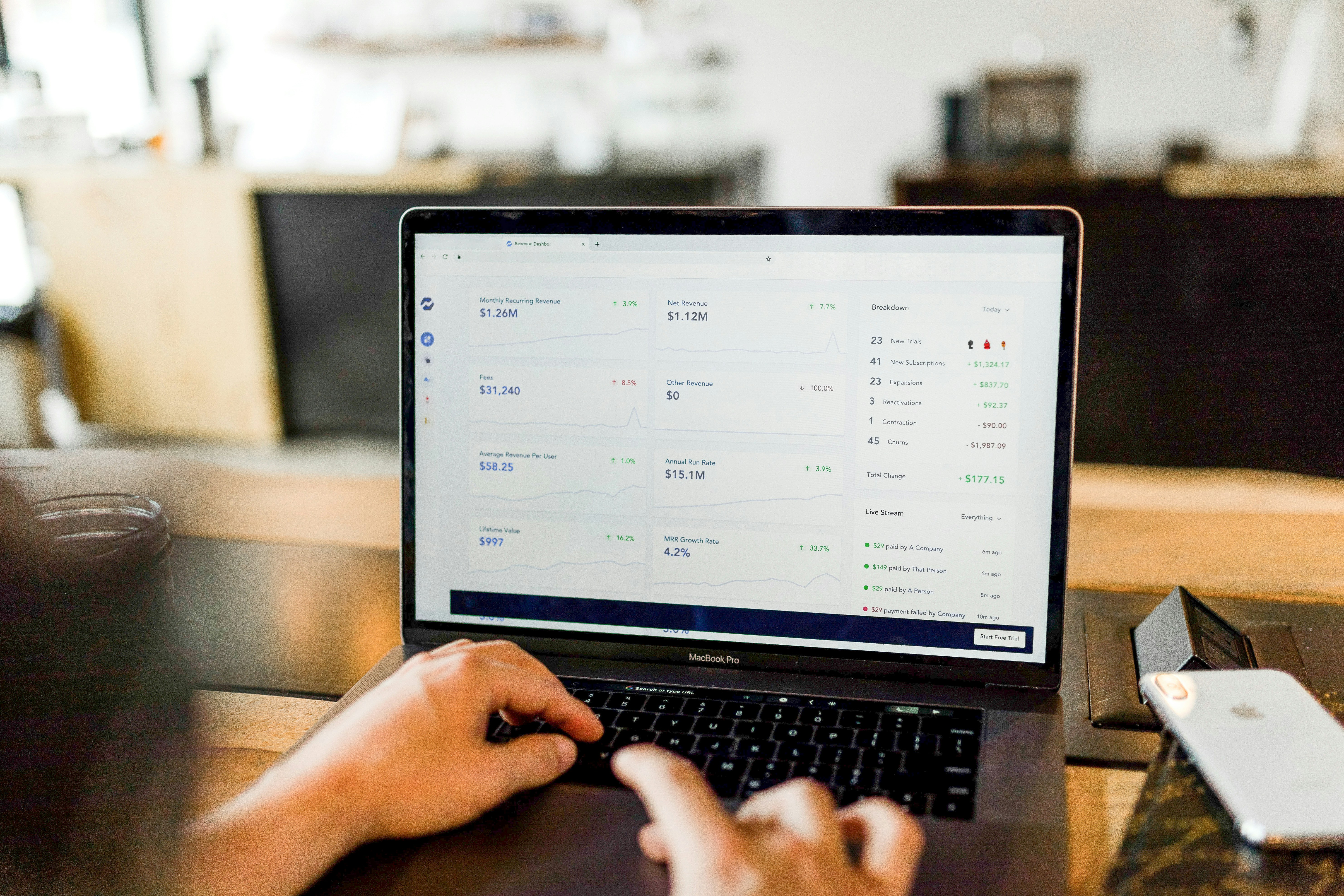
Supply chain managers used to say that disruptions were inevitable. A storm shuts down a port, a factory goes offline, a truck gets stuck at a border crossing, and suddenly everything downstream starts unraveling. But today, businesses are discovering that AI can spot warning signs long before humans notice them, transforming disruptions from painful surprises into manageable challenges.
If you’re working in logistics, procurement, operations, or manufacturing, you may already feel the pressure to adopt AI. But the good news is this: you don’t need to be a data scientist to understand how AI-driven supply chain prediction works or what tools can help you. The shift happening right now is less about robots replacing workers and more about helping teams prevent problems instead of firefighting them.
In fact, several new studies highlight how AI can dramatically improve resilience. One recent article from Deloitte outlines how AI-powered forecasting is reshaping real-time risk management (Deloitte’s 2026 analysis). The message is clear: prediction is becoming a strategic advantage, not a technical luxury.
Why Supply Chains Are So Vulnerable to Disruption
Modern supply chains stretch across borders, time zones, and complex vendor networks. More parts, more steps, more data, and more partners all mean more opportunities for something to go wrong.
Here are some of the most common causes of disruption:
- Natural disasters or extreme weather
- Political instability or sanctions
- Factory shutdowns or labor shortages
- Supplier bankruptcy or capacity issues
- Shipping delays and port congestion
- Spikes in demand or inaccurate forecasts
Most of these events can’t be stopped. But they can be predicted, and their impacts can be minimized with earlier action.
How AI Predicts Supply Chain Disruptions
The biggest value of AI in supply chain isn’t automation — it’s anticipation. AI models analyze millions of signals faster than any human team could, turning messy data into clear risk indicators.
1. Real-time pattern detection
AI excels at spotting patterns and anomalies in data streams such as:
- Weather radar
- Transportation updates
- Inventory levels
- Supplier performance logs
- News reports and social trends
- Market demand fluctuations
For example, if shipping delays start rising across one region, an AI model might flag that future delays are likely for nearby ports as well. Humans might not see the pattern early, but AI does.
2. Predictive analytics for demand forecasting
Tools like ChatGPT, Claude, and Gemini can interpret historical demand data, promotional calendars, news trends, and seasonality to deliver more accurate forecasts. Unlike traditional forecasting software, these tools can pull from both structured and unstructured data — including things humans write, like product reviews or economic news.
This results in:
- Better planning
- Lower inventory costs
- Fewer stockouts and overages
3. Supplier risk scoring
AI evaluates your suppliers using factors such as:
- On-time delivery history
- Financial stability indicators
- Geographic risk exposure
- Sentiment analysis from news coverage
- Social media mentions
- Industry trends
Think of it as a credit score for reliability. You don’t just know who is risky — you know why and how likely a disruption is.
The Power of Early Intervention
Predicting disruptions is only half the equation. AI also helps you respond quickly and strategically.
Here are ways AI helps mitigate issues before they escalate:
-
Alternate route or carrier selection
If a major storm approaches a shipping lane, AI might suggest faster alternatives before congestion builds. -
Dynamic reallocation of inventory
If a supplier signals delays, AI can recommend shifting stock between warehouses to maintain coverage. -
Scenario simulation
You can ask tools like ChatGPT or Gemini to simulate the impact of a supplier shutdown and get a list of actionable responses. -
Automated alerts and escalation
Teams get instant notifications when risk thresholds are crossed — no more waiting for weekly meetings.
In other words, AI turns supply chain managers from firefighters into strategic planners.
Real-World Examples of AI Preventing Disruptions
Let’s look at what this looks like in practice.
Example 1: Global retailer avoids holiday stockout
A major retail chain used an AI-driven forecasting model that spotted unusual search demand for a specific home appliance. Traditional forecasting tools missed it, but AI picked up the trend from social media conversations. The retailer increased supply two months early — just before the product went viral — capturing millions in additional revenue.
Example 2: Automotive manufacturer reroutes parts
During flooding in Southeast Asia, an auto manufacturer used an AI logistics platform that predicted which regional suppliers would be affected based on rainfall models. Before roads were officially closed, the company rerouted critical components through a secondary port. Production stayed on schedule while competitors experienced two-week delays.
Example 3: Food distributor handles temperature-sensitive cargo
A refrigerated food company used AI-enabled sensors to predict when a truck’s cooling system was likely to fail, based on vibrations and past maintenance logs. One truck was flagged early, rerouted to the nearest maintenance hub, and ultimately avoided spoiling a full shipment.
These examples show that AI isn’t just helpful — it’s increasingly essential.
What Tools Are Leading the Way?
You don’t need a massive budget to get started. Many tools support prediction and risk prevention out of the box.
Here are a few worth exploring:
- ChatGPT (OpenAI) — great for scenario analysis, data interpretation, supplier communication drafting, and generating contingency plans.
- Claude (Anthropic) — excellent at digesting policy documents, shipping logs, safety guidelines, or compliance requirements.
- Gemini (Google) — strong for connecting large datasets, integrating with Google Cloud, and powering real-time dashboards.
- FourKites — a visibility platform that uses AI to track shipments globally.
- Llamasoft (Coupa) — popular for supply chain modeling and network optimization.
- Project44 — offers predictive transportation insights.
Each tool serves a different purpose, but together they form a powerful AI-powered ecosystem.
How to Introduce AI Into Your Supply Chain Operations
If you’re new to AI, try starting small and scaling gradually.
Follow these steps:
Step 1: Identify one high-impact problem
Choose an issue that costs time or money today, such as:
- Delays
- Stockouts
- Excess inventory
- Slow response times
- Poor demand forecasting
Starting small builds confidence and momentum.
Step 2: Pilot an AI tool
Try a low-risk pilot project using ChatGPT or Gemini to analyze real data. Use natural language prompts to interpret patterns or generate risk summaries.
Step 3: Build cross-team alignment
AI isn’t just an operations tool — procurement, finance, logistics, and sales should all be involved. The more data you combine, the better the predictions.
Step 4: Automate alerts and reporting
Once trust is built, connect AI models to dashboards or workflow tools so insights reach your team immediately.
Step 5: Improve continuously
AI thrives on iteration. As you collect better data, your predictions get sharper.
Conclusion: Disruptions Aren’t Going Away, But They Don’t Have to Surprise You
AI is giving supply chain teams exactly what they’ve always needed: visibility, speed, and early detection. Whether you’re managing global logistics or a small regional network, AI can help you move from reactive mode to proactive strategy — and in today’s unstable world, that shift matters more than ever.
If you’re ready to start building a more resilient supply chain, try these next steps:
- Pick one specific part of your supply chain that frequently experiences disruptions.
- Explore a tool like ChatGPT or Gemini to analyze past data and spot patterns.
- Set up a small predictive dashboard or automated alert workflow to monitor risks.
Disruptions may be inevitable, but with AI, their impact no longer has to be.